


A complete guide for kitchen Gardening in India
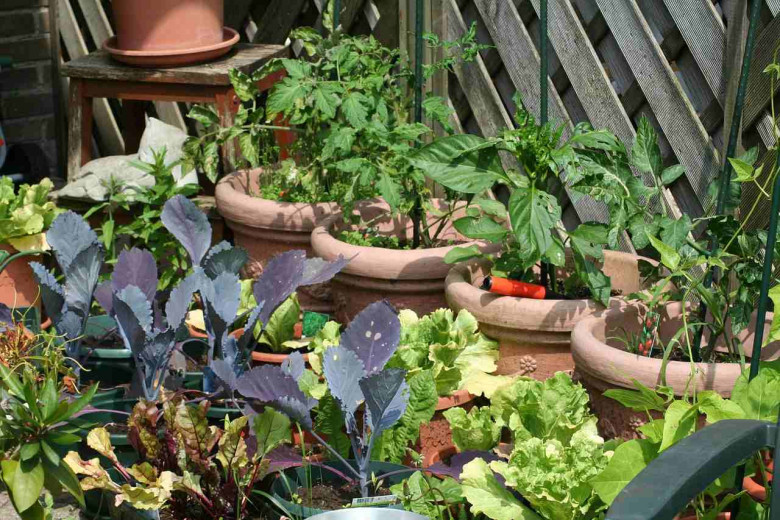
From growing vegetables that are free of pesticides to pursuing a new pastime gardening in your kitchen offers a variety of advantages for modern-day society. Many people stay away from gardening because they think it requires plenty of space within the home, and therefore put off gardening in the kitchen. The only requirement is lots of perseverance, patience, and determination. Here's a simple step-by-step guide for making your own kitchen garden.
What is the kitchen garden?
For the curious gardeners, kitchen gardening isn't quite like normal gardening. The reason is that kitchen gardens are typically smaller, and visually more pleasing and can be managed efficiently with the right direction. In addition, the produce is for fresh consumption. It is beneficial to grow plants, herbs, and fruits Kitchen gardens are useful and accessible to everyone that are connected to the natural world. Kitchen farming can improve overall health in urban zones. It's fun to pick vegetables in balconies, windows or vertical walls. any of these spaces could be utilized for the vertical garden.
The benefits of kitchen Gardening There are a lot of advantages to gardening If you think of a the garden that is packed with plants. It can give you many benefits, along with requirements for keeping it. Here are some advantages highlighted.
- You can eat more seasonal, home-grown fruits and herbs that are free of harmful pesticides that harm our plants.
- You have more control over the ingredients in your meals when you're growing it on your own, making it a healthier choice for the members of your household.
- Gardening in the kitchen is a healthy method of involving all members of the family in physical exercise, making our bonds more enduring.
- Your garden in the kitchen can go far in restoring the natural world around you, which is essential to the modern world.
Importance of Kitchen Gardening:
It is crucial to can also minimize the amount of waste that ends up in landfills from kitchen waste as well as helping the environment.
How to get started with your Kitchen garden:
To design a stunning kitchen garden, follow these steps:
- Find a suitable space: An open-air terrace is an ideal option for selecting the right place to grow your vegetables in your home garden, any location that has plenty of sunlight, such as windowsills or south-facing windows could also be suitable. It is important to select the spot which is cool and shady however, it also gets sunlight for between four and five hours every day. Consider covering your plants to keep them from burning heat , which can cause damage to the development that your plant.
- bathtubs and buckets to use as containers for growing your garden.
They're not just cost-effective, but also encourage recycling and reuse of your older items, thus protecting our surroundings and allowing us to choose green alternatives. A medium-sized bathtub is great to grow plants such as cauliflowers, cabbages, radish and onions. If you plan to make use of containers (earthen or plastic) to grow your own produce or vegetables, or herbs you must be aware of these two things:
- Space that is adequate to let the plants to grow.
- Pots must have holes in them for proper drainage, so that water doesn't get getting stuck.
3. Soil Usage: Soil makes up the base of your kitchen garden . It is the first step to gardening, whether it's regular or kitchen. Making the best soil mix is a crucial step since the soil's nutrients decide how well and well the plants will develop. Find regular soil at an outdoor nursery or garden that you can add compost coco peat as well as manure that is natural to it. Also, add
vegetable peels and other leftovers in the soil to form your compost. If you're using pots, you can add small pieces of pebbles or thermocol pieces to avoid the water from clogging. When you've planted your seeds or veggies, sprinkle water over the soil to help moisten it to help encourage development. The use of good natural fertilizers ensure that your garden is perfect and healthy. It will make you feel secure and happy of the food you are taking. A lot of people still utilize chemical fertilizers to encourage the growth of plants, which often harms your crops. Instead explore our selection of organic liquid fertilizers that will benefit your gardening in the kitchen.
4. Start your seedlings and saplings
Once you've decided on the location, fill your containers using potting mix and you're now all set to begin your journey to developing. The most reliable source for saplings and seeds is the gardeners in your neighborhood or even nature enthusiasts. Always opt for open pollinated seeds, not hybrids.
5. It is important to water your plants. regular watering is an important element in the growth of plants, excess water can cause harm and can also remove nutrients from soil. To ensure that your plants get the correct quantity of water measure the soil's moisture by pressing it into your fingertips, then provide the plant with water as per the required requirement. Be sure to add manure the soil following heavy rain because excessive rains could remove nutrients from the soil, which can make your plants less productive. Nutri-Shorts are ideal for ensuring your plants with the maximum growth.
Many different herbs and vegetables that can be grown in your garden at home:
It is recommended to begin with easy-to-grow herbs and vegetables like mint, basil parsley, lettuce tomato, spinach eggplants, beans radish, and so on.
If you're looking to start your kitchen garden but aren't sure how, it is possible to try our three-in-1 gardening kit kits that will assist you to locate the perfect seedling for your own kitchen garden. It comes with 3 varieties of seeds, depending on which you pick 3 Grow pots, 4 Coco discs compressed into 1 box with Organic Fertilizer, 3 plant markers, and a Grow guide. For green options You can check out the eco-friendly Grow kits to plant fresh basil and tomatoes. It includes an Tinpot with a glass vial with seeds coco discs made of coir along with a food source and grow instructions.
Garden maintenance for kitchens:
Make sure to check your plants on a regular basis to protect them from fungal or pesticide-based attacks. If you notice bugs on your plant and you want to kill them, spraying Neem water may aid. It is also possible to consider Neem Oil to assist in improving the health of your plants and maintaining their health.


